
Advertisement
Smartphones have become an essential part of daily life, and when something goes wrong especially with the display it can feel like everything comes to a halt. If your Google Pixel 10 Pro XL LCD screen is cracked, unresponsive, flickering, or completely dead, you’re not alone. Screen-related issues are among the most common smartphone problems, but the good news is that many of them can be fixed either through simple troubleshooting or by replacing the LCD assembly.
This comprehensive guide will walk you through everything you need to know about diagnosing, fixing, and preventing LCD screen issues on your device. Whether you’re a DIY enthusiast or just trying to understand your repair options, this article will give you a clear path forward.
Understanding the Pixel 10 Pro XL Display
Advertisement
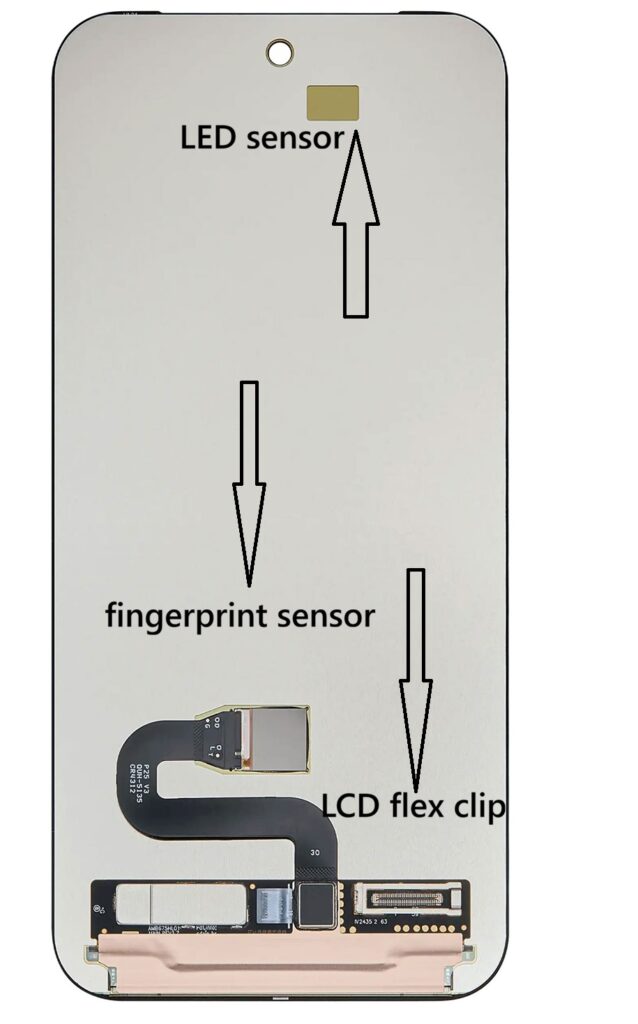
Before diving into repairs, it’s important to understand what you’re dealing with. The display system typically consists of:
- LCD/Display Panel Responsible for showing images
- Digitizer Detects touch input
- Glass Screen The outer protective layer
In most modern smartphones, these components are fused together into a single unit. This means that even if only one part is damaged, you may need to replace the entire screen assembly.
Common LCD Screen Problems
Here are the most frequent issues users encounter:
1. Cracked or Shattered Screen
This is usually caused by drops or impact. Even if the phone still works, the cracks can worsen over time.
2. Unresponsive Touch
The screen may display content but not respond to touch inputs. This could be due to digitizer damage.
3. Flickering Display
A flickering screen often indicates internal damage or a loose connection.
4. Black Screen (Dead Display)
If your phone is on but the screen is completely black, the LCD panel may be damaged.
5. Ghost Touch or Random Inputs
The screen registers touches you’re not making, often due to hardware faults.
Step 1: Basic Troubleshooting Before Repair
Before opening your phone or buying parts, try these simple fixes:
Restart Your Device
A simple reboot can resolve temporary glitches.
Force Restart
Press and hold the power and volume buttons simultaneously for about 10-15 seconds.
Check for Software Updates
Outdated software can sometimes cause display issues.
Boot in Safe Mode
This helps determine if a third-party app is causing the issue.
Remove Screen Protector
A damaged or poorly installed protector can interfere with touch sensitivity.
If none of these steps work, the issue is likely hardware-related.
Step 2: Tools and Materials You’ll Need
If you decide to repair the screen yourself, gather the following tools:
- Precision screwdriver set
- Plastic pry tools
- Suction cup
- Heat gun or hair dryer
- Tweezers
- Isopropyl alcohol (90% or higher)
- Replacement LCD screen assembly
- Adhesive strips or glue
Step 3: Safety Precautions
Repairing a smartphone requires care. Follow these safety tips:
- Power off the device before starting
- Work on a clean, static-free surface
- Avoid puncturing the battery
- Keep track of screws and components
- Wear gloves if possible
Step 4: Removing the Broken Screen
1. Heat the Edges
Use a heat gun or hair dryer to soften the adhesive holding the screen in place.
2. Apply Suction Cup
Place the suction cup on the screen and gently pull to create a small gap.
3. Insert Pry Tool
Carefully insert a plastic pry tool into the gap and slide it around the edges.
4. Lift the Screen
Slowly lift the screen, being careful not to damage internal cables.
Step 5: Disconnecting Internal Components
Once the screen is lifted:
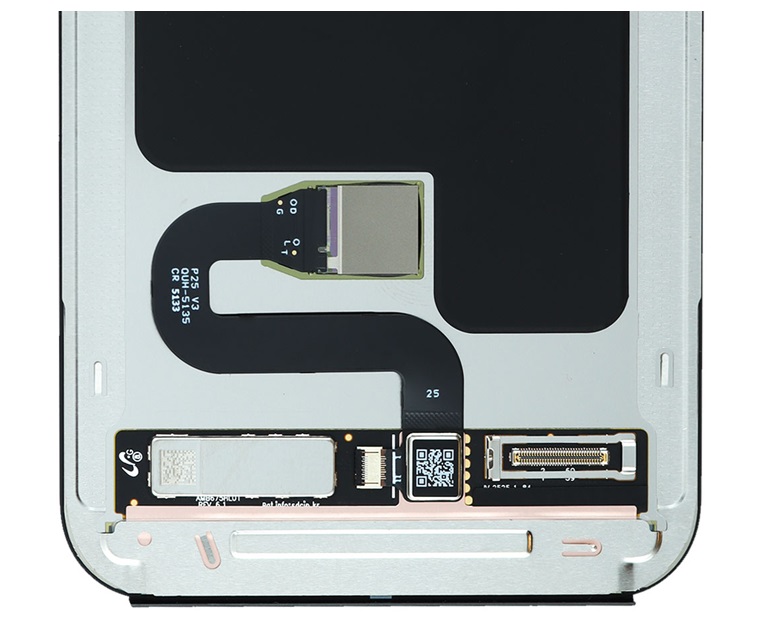
- Locate the display connector
- Use a plastic tool to disconnect it
- Remove any protective shields covering the connectors
Be gentle these components are delicate.
Step 6: Installing the New LCD Screen
1. Connect the New Screen
Attach the new display connector to the motherboard.
2. Test Before Sealing
Turn on the phone to ensure the screen works properly:
- Check touch responsiveness
- Look for display clarity
- Ensure no flickering
3. Apply Adhesive
If everything works, apply new adhesive around the edges.
4. Secure the Screen
Press the screen firmly into place and allow the adhesive to set.
Step 7: Final Testing
After reassembly:
- Test touch accuracy across the entire screen
- Check brightness and color quality
- Ensure no dead pixels
- Verify front camera and sensors are functioning
When to Seek Professional Help
DIY repair isn’t always the best option. Consider professional repair if:
- You lack proper tools
- The phone has additional damage
- You’re unsure about the repair process
- The device is still under warranty
Professional technicians can ensure proper installation and reduce the risk of further damage.
Cost of Repair
The cost of fixing your LCD screen depends on:
- Replacement part quality (OEM vs third-party)
- Labor charges (if using a technician)
- Location
DIY repairs are usually cheaper but come with higher risk.
Preventing Future Screen Damage
Once your phone is repaired, take steps to protect it:
Use a High-Quality Case
Shock-absorbing cases reduce impact damage.
Install a Screen Protector
Tempered glass protectors add an extra layer of defense.
Avoid Extreme Conditions
Heat and moisture can damage internal components.
Handle with Care
Avoid placing your phone in risky positions where it can fall.
Signs You Need a Full Replacement Instead
Sometimes, replacing the screen isn’t enough. Consider replacing the entire device if:
- The motherboard is damaged
- Repair costs exceed half the phone’s value
- Multiple components are failing
Frequently Asked Questions
Can I fix a cracked LCD without replacing it?
No. Once the LCD is physically damaged, it must be replaced.
How long does the repair take?
DIY repairs typically take 1–2 hours, depending on experience.
Will I lose my data?
No, screen replacement does not affect stored data.
Is it worth fixing?
If the phone is relatively new and functional, yes.
Additional Insights: Deep Dive into LCD Screen Repair and Maintenance
Fixing a Google Pixel 10 Pro XL LCD screen goes beyond just replacing a damaged panel it also involves understanding how your device behaves over time and how different factors can affect display performance. In this extended section, we’ll explore more advanced concepts, repair nuances, and long-term care strategies that can help you get the most out of your device after a screen repair.
Understanding the Difference Between LCD and OLED Repairs
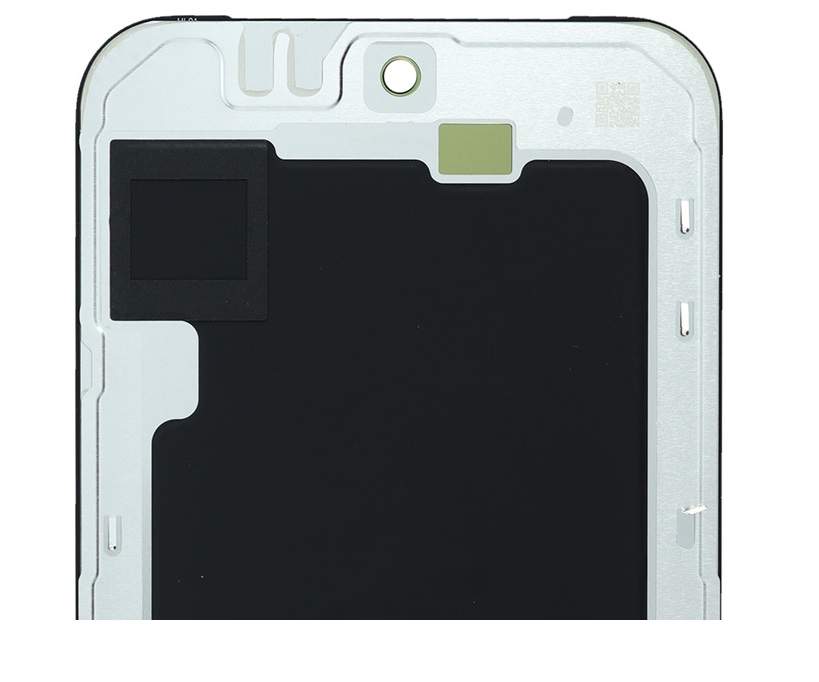
While many modern flagship phones use OLED displays, some devices or variants may still use LCD technology or hybrid display systems. The repair approach differs slightly between the two:
- LCD Screens rely on a backlight to illuminate pixels. Damage often results in dark spots, bleeding light, or complete blackouts.
- OLED Screens emit their own light and can show burn-in or dead pixels.
If your Pixel 10 Pro XL uses an OLED-type display (which is likely for premium models), the replacement process is similar but often more delicate and expensive. OLED panels are thinner and more fragile, meaning extra care is required during installation.
Calibration After Screen Replacement
After installing a new screen, calibration may be necessary to ensure optimal performance. While most modern smartphones automatically configure display settings, you can manually improve performance by:
- Adjusting brightness levels for better visibility
- Testing touch sensitivity in developer settings (if available)
- Checking color balance and display modes
Some users notice slight differences in color tone or brightness after replacing a screen, especially when using third-party parts. This is normal and can often be minimized through software adjustments.
The Importance of Quality Replacement Parts
Not all replacement screens are created equal. Choosing the right part is critical for performance and durability.
OEM (Original Equipment Manufacturer) Screens
- Best quality and compatibility
- Higher cost
- Closest to original display performance
Aftermarket Screens
- More affordable
- Quality varies significantly
- May have reduced brightness or touch sensitivity
Investing in a high-quality replacement can save you from future issues like ghost touches, poor resolution, or premature failure.
Common Mistakes to Avoid During Repair
Even experienced DIY repair enthusiasts can make mistakes. Here are some pitfalls to watch out for:
- Using excessive force when prying open the screen
- Damaging flex cables during disassembly
- Skipping the test phase before sealing the device
- Applying too much adhesive, which can seep into components
- Ignoring small screws or shields, leading to improper reassembly
Taking your time and following each step carefully will significantly improve your chances of a successful repair.
Environmental Factors That Affect Screen Longevity
After fixing your LCD screen, it’s important to consider environmental factors that can impact its lifespan:
Temperature Extremes
High heat can weaken adhesive and damage internal components, while extreme cold can make the screen more brittle.
Humidity and Moisture
Water exposure can lead to corrosion and screen malfunction. Even minor moisture can affect touch responsiveness.
Dust and Debris
Particles can enter through small gaps if the phone isn’t sealed properly after repair, potentially damaging internal components.
Software Optimization for Better Display Performance
Once your screen is fixed, optimizing your phone’s software can enhance the overall experience:
- Enable adaptive brightness for better battery efficiency
- Use dark mode to reduce strain and extend screen life
- Limit background apps that may cause overheating
- Keep your operating system updated for bug fixes
These small adjustments can make a noticeable difference in how your display performs daily.
How Screen Damage Can Affect Other Components
A damaged LCD doesn’t always act alone it can impact other parts of your device:
- Battery Drain: A malfunctioning display may consume more power
- Overheating: Internal damage can lead to heat buildup
- Sensor Malfunction: Proximity and ambient light sensors may stop working properly
- Camera Issues: Front camera alignment can be affected during improper repair
This is why a thorough inspection during repair is essential.
DIY vs Professional Repair: A Deeper Comparison
Choosing between DIY and professional repair depends on several factors:
DIY Repair
- Lower cost
- Learning experience
- Requires tools and patience
- Higher risk of mistakes
Professional Repair
- Higher cost
- Expertise and warranty
- Faster turnaround
- Reduced risk
If your phone is expensive or critical to your daily activities, professional repair may be the safer option.
Long-Term Maintenance Tips After Repair
Once your screen is fixed, maintaining it properly will help you avoid future repairs:
- Clean your screen regularly with a microfiber cloth
- Avoid overcharging, which can cause heat buildup
- Store your phone safely when not in use
- Replace worn-out cases or protectors promptly
Consistency in these habits can significantly extend the life of your device.
Recognizing Early Warning Signs of Screen Failure
Catching problems early can save you time and money. Watch for these warning signs:
- Slight flickering or dimming
- Delayed touch response
- Small discoloration spots
- Intermittent screen freezing
Addressing these issues early can prevent complete screen failure.
Recycling and Disposal of Damaged Screens
If you replace your screen, don’t just throw the old one away. Electronic waste should be handled responsibly:
- Take it to a certified e-waste recycling center
- Avoid disposing of it in regular trash
- Check if local repair shops accept old parts
Responsible disposal helps protect the environment and reduces electronic waste.
The Future of Smartphone Displays
Smartphone display technology continues to evolve rapidly. Future devices may feature:
- Foldable and flexible screens
- Self-healing materials
- Improved durability against drops and scratches
- Lower power consumption
Understanding current repair methods prepares you for handling future innovations as well.
Conclusion (Extended)
Repairing a Google Pixel 10 Pro XL LCD screen is not just about fixing a broken device—it’s about understanding how your smartphone works and taking control of its maintenance. With the right approach, tools, and knowledge, you can restore your device to near-original condition and extend its lifespan significantly.
Whether you choose a DIY repair or professional service, being informed ensures you make the best decision for your situation. A well-maintained screen not only improves usability but also preserves the overall value of your device.
Final Thoughts
Fixing a Google Pixel 10 Pro XL LCD screen may seem intimidating, but with the right tools, patience, and guidance, it’s entirely possible. Whether you choose to repair it yourself or seek professional help, understanding the process empowers you to make informed decisions.
A damaged screen doesn’t have to mean the end of your device. With proper care and maintenance, your smartphone can continue to serve you well for years to come.
The Google Pixel 10 Pro XL is renowned for its stunning display and advanced features, making it a favorite among smartphone enthusiasts. However, accidents happen, and a damaged LCD screen can be a significant setback. If you’re facing issues with your device’s screen, this step-by-step repair guide will equip you with the knowledge and confidence to tackle the Google Pixel 10 Pro XL screen repair on your own. Whether you’re a seasoned tech enthusiast or a novice looking to save on repair costs, this guide will walk you through each phase of the repair process, ensuring that your device is restored to its former glory.How to Fix Google Pixel 10 LCD Screen
Advertisement